
Save all three
Use dated copies so later changes can be compared.
Credit cleanup is an evidence process. Save dated reports, identify the exact field that is wrong, send supporting records to the correct party, and verify the investigation result on a fresh report.
Pull, compare, document, dispute, and recheck credit-report information field by field across all three nationwide bureaus.
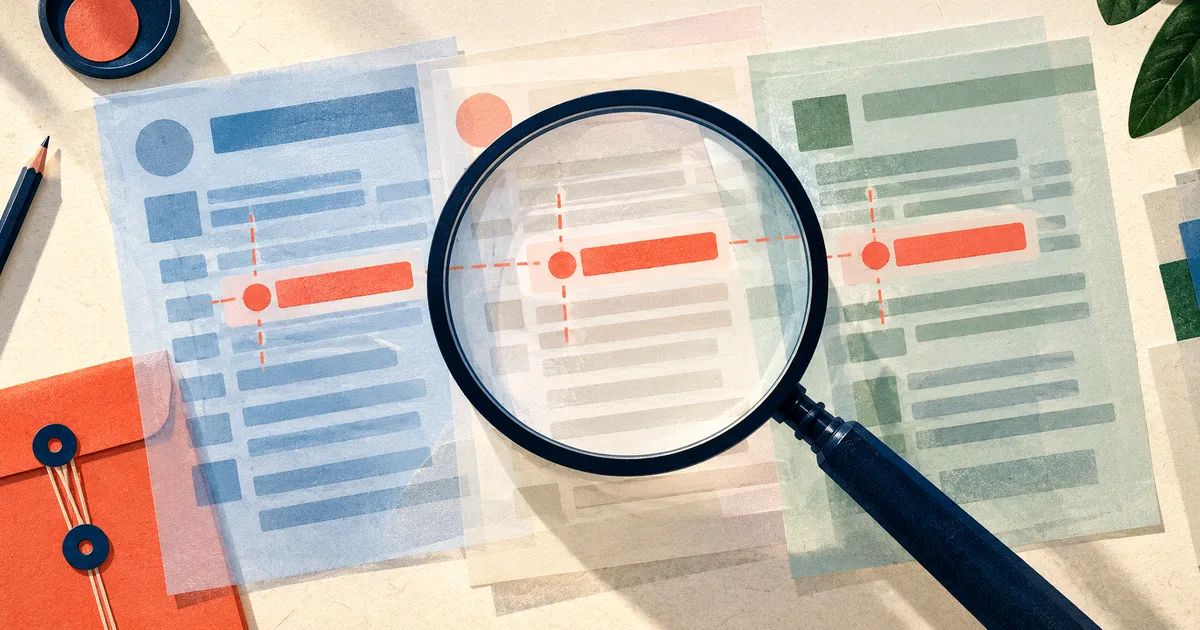
This hub handles ordinary account errors, collection duplicates, mixed files, identity theft, inquiries, dates, balances, status, and information that reappears. It also explains when negative information may be accurate and therefore not removable through a factual dispute.
Start with saved reports from all relevant bureaus and mark the exact account field that needs review. A lower score by itself does not identify an error.
Start with the three-report collection guide when you do not yet have dated copies from every nationwide bureau.
Then use the field-by-field credit report audit when the reports are saved and you need to classify and document a specific questionable field.
Move from report collection to issue classification, targeted evidence, the correct recipient, and a fresh report that verifies the result.
Use dated copies so later changes can be compared.
Separate accurate negative history, factual errors, identity theft, and legal uncertainty.
Name the account, field, reported value, correct value, and supporting page.
Compare the response and a later report with the original request.
Write answers from dated reports, creditor records, identity documents, dispute confirmations, and investigation results. Keep each bureau's evidence trail separate.
These pages divide report work into distinct cases such as mixed files, identity theft, duplicate collections, balances, inquiries, reinsertion, and closed-account status.
A field-by-field audit method for all three credit reports, with an evidence matrix for disputes and post-dispute verification.
Read Credit Report Cleanup After a Financial Setback →A decision guide to two processes people often mix up: asking a collector for debt information and challenging report data with a bureau.
Read Debt Validation vs. a Credit Report Dispute →A date-audit guide to late payments, collections, charge-offs, and bankruptcy, including which dates to verify and when to dispute errors.
Read How Long Negative Items Stay on Your Credit Report →Use the federally authorized report source, save dated copies, and build one comparison grid for accounts, balances, dates, and inquiries.
Read How to Get and Organize All Three Credit Reports →Document accounts or identity details belonging to another consumer and separate the file using bureau-specific evidence and follow-up.
Read How to Fix a Mixed Credit File →A recovery sequence for reporting identity theft, securing reports, blocking fraudulent information, and tracking account-by-account results.
Read Credit Report Recovery After Identity Theft →Distinguish multiple report entries from multiple current balances and document ownership, transfer, amount, status, and dates.
Read How to Review Duplicate Collection Entries →Compare statement closing, payment posting, pending transactions, limit changes, and bureau update timing before disputing a card balance.
Read How to Dispute a Wrong Credit Card Balance →Compare the deleted or corrected item with the new entry, investigation result, furnisher, dates, and any reinsertion notice.
Read What to Do When a Credit Report Item Reappears →Identify the company, date, application, permissible purpose, and possible identity theft behind an unfamiliar credit inquiry.
Read How to Review an Unauthorized Hard Inquiry →Trace a closure request, final balance, recurring charges, interest, and bureau status when a supposedly closed account appears open.
Read How to Fix an Account Reported Open After Closure →Use credit freezes to limit new-file access while preserving existing-account management and planning temporary lifts for real applications.
Read Should You Freeze Credit While Rebuilding? →Finish a report task by comparing the original field, requested correction, response, and later reported value side by side.
Store full reports rather than score screenshots, and label every attachment with its bureau, account, field, and date. Escalate only the unresolved factual issue. Return to the full credit recovery library when the next issue crosses into another topic.