
How to Switch Bank Accounts Safely
What matters now: Run old and new accounts in parallel long enough to move deposits and debits, cover pending items, and receive written closure confirmation.
Move income, bills, checks, subscriptions, transfers, and emergency access without causing returned payments or closing too early.
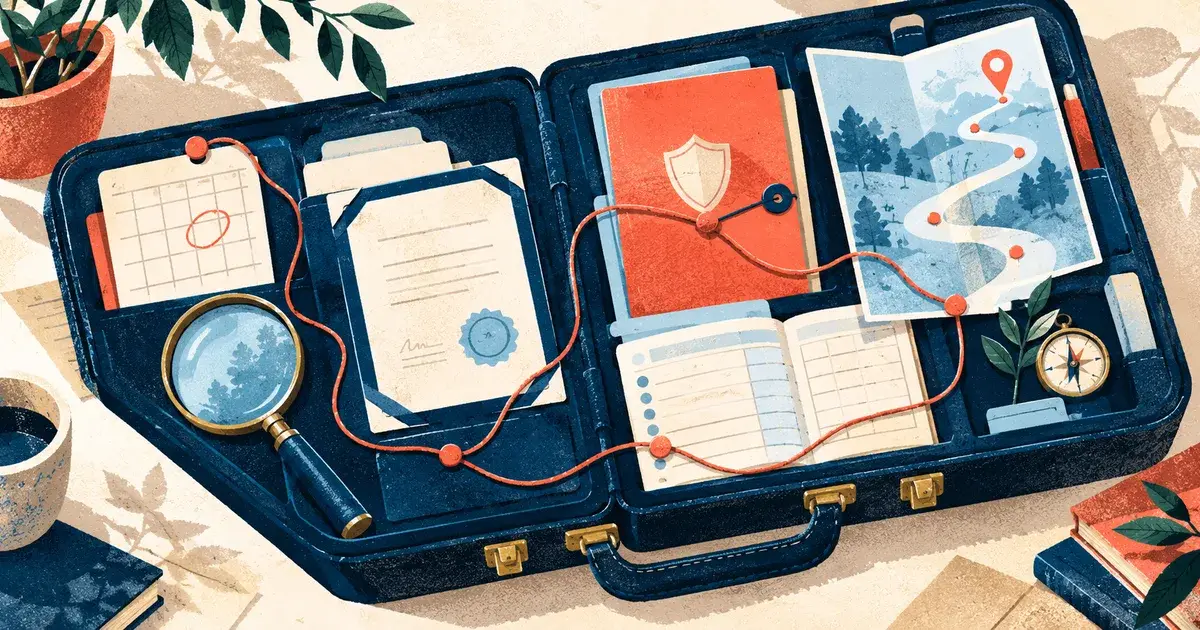
Overlap the accounts instead of switching in one day
The risk in switching is timing. Payroll changes, ACH debits, checks, card holds, refunds, and subscriptions do not all move on the same day.
Build the timeline from dated events rather than memory. Give each row an event date, the party involved, the amount or status, the source record, and the next review date. Start with which deposits are still directed to the old account? because income gaps can cause the first failure. End with what minimum or fee applies during overlap? because parallel accounts can create cost. This keeps a calendar reminder from being mistaken for proof that the underlying condition changed.
Timing checkpoints
- Open and test the new account with a small transaction.
- Close only after pending items clear and save confirmation.
- Contact both institutions promptly for missing transfers, unauthorized activity, or an old account that reopens because a transaction posts.
Move income and bills in a safe order
Use this sequence as a working file, not a memory exercise. Begin with Open and test the new account with a small transaction. Keep Deposit and debit inventory, Outstanding check list, and New account agreement together as you attach a date and confirmation to every transition. The sequence is complete only when you can close only after pending items clear and save confirmation. and point to the confirmation that supports it. If a new record changes an earlier answer, return to that step before moving money or submitting another application.
- Open and test the new account with a small transaction.
- Inventory every deposit, ACH, card subscription, check, and transfer.
- Move income first and verify one successful deposit.
- Move essential bills and monitor both accounts through a full cycle.
- Close only after pending items clear and save confirmation.
A delayed refund keeps the old account open
A worker changes direct deposit but leaves the old account open through the next pay cycle. After the first new deposit posts, rent and utilities move. A small balance remains in the old account until a delayed refund and outstanding check settle.
Why this example matters: The useful result is a dated chain of events with a clear next checkpoint. It avoids closing on opening day and answers “Which deposits are still directed to the old account?” with a record, not a guess. Income gaps can cause the first failure. A different fact can lead to a different choice, so copy the method rather than copying the example's dollar amount, date, or outcome.
Questions about deposits, retries, and outstanding items
| Question | What it changes |
|---|---|
| Which deposits are still directed to the old account? | Income gaps can cause the first failure. |
| Which debits retry automatically? | Returned merchants may try again. |
| Are checks outstanding? | Paper items can clear late. |
| What minimum or fee applies during overlap? | Parallel accounts can create cost. |
Maintain a migration checklist and closure record
Deposit and debit inventory
Outstanding check list
New account agreement
Transfer confirmations
Final statement and closure letter
Label the file with event date, effective date, confirmation, next deadline, and reviewer. Keep the complete version of Final statement and closure letter, not only a screenshot or copied number. Screenshots can help show what appeared on a certain day, but they can omit the page, account field, delivery details, or terms needed later. Add a short note explaining what each record proves and what it does not prove.
Act when transfers fail or a closed account reopens
Timing mistakes that cause returned payments
Closing on opening day
Moving bills before income
Forgetting annual subscriptions
Withdrawing the full old balance while checks remain
If one of these mistakes has already happened, preserve the current records before trying to undo it. Write what happened, when it happened, who was involved, and whether money or account access changed. Then return to the first unconfirmed step and work toward this control: Close only after pending items clear and save confirmation. Add the new event to the timeline before calculating the next date.
Working checklist
Your checks stay in this browser.
Primary sources
This is general education, not individualized financial or legal advice. Product terms, scoring models, and state law can change.