
Keep the record
Preserve schedules, orders, trustee correspondence, and any reaffirmation documents.
Bankruptcy recovery begins with court records and a reliable bill system - Not rapid applications. Audit how accounts are reported, separate surviving obligations, rebuild cash stability, and add one transparent product only when it fits.
Move from discharge or an active repayment case to accurate reports, stable bills, safer banking, and selective new credit.
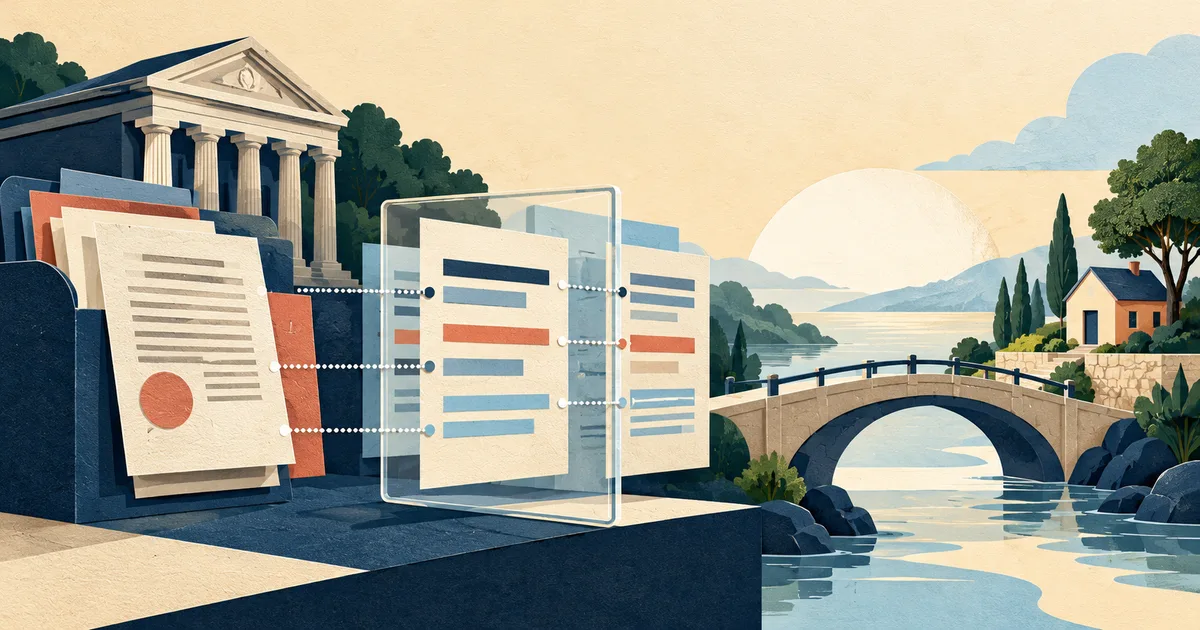
Use this hub to connect the legal case record with the financial tasks that follow. It covers Chapter 7 and Chapter 13 differences at a general level, report auditing, reaffirmed obligations, housing and auto preparation, and claims that sound helpful but promise more than any product can deliver.
Begin with the court file and obligations that remain, then compare those records with current statements and credit reports. New applications belong later in the recovery sequence.
Start with the post-bankruptcy report audit when court records need to be matched against balances, statuses, and remarks on each bureau report.
Then use the post-discharge rebuilding sequence after reporting is checked and current bills are stable enough to evaluate a new account.
Work outward from legal records to report accuracy, daily cash stability, housing or transport preparation, and finally one carefully selected credit product.
Preserve schedules, orders, trustee correspondence, and any reaffirmation documents.
Compare each bureau field with the court and account record without demanding a blank report.
Build a bills calendar, bank-account floor, and emergency buffer before adding obligations.
Compare the full cost and worst-month payment risk of one product at a time.
Use discharge or plan documents, account statements, bureau reports, and a post-case budget. Do not infer legal treatment from a score or a report remark alone.
The bankruptcy guides separate Chapter 7, Chapter 13, reaffirmed debt, report auditing, housing, vehicle, product, and myth-checking decisions.
A post-discharge sequence for cash flow, report cleanup, new credit, and application timing - Without promising a score jump.
Read How to Rebuild Credit After Bankruptcy →A post-discharge audit for matching court records to balances, account status, ownership, and dates across all three credit reports.
Read How to Audit Credit Reports After Bankruptcy →A post-discharge sequence for court records, report accuracy, cash reserves, banking, and one carefully chosen credit account.
Read Rebuilding Credit After Chapter 7 Bankruptcy →Separate plan obligations, trustee or court requirements, report accuracy, and post-case credit decisions in a Chapter 13 recovery.
Read Rebuilding Credit During and After Chapter 13 →Match a reaffirmation agreement and post-bankruptcy payment history to the balance, status, ownership, and dates reported by each bureau.
Read How to Review Reaffirmed Debt on a Credit Report →A transportation-first checklist for budget, vehicle cost, financing offers, dealer add-ons, and application timing after bankruptcy.
Read How to Prepare for a Car Loan After Bankruptcy →Organize housing affordability, application records, screening reports, deposits, and an honest explanation before applying for a rental.
Read How to Prepare to Rent After Bankruptcy →Test common claims about erased accounts, instant rebuilding, guaranteed cards, score timelines, and carrying balances after bankruptcy.
Read Bankruptcy Credit-Recovery Myths to Avoid →A completed bankruptcy recovery step should connect one court or account record to one practical outcome, such as a corrected balance or a sustainable bill routine.
Retain the controlling order, schedules, correspondence, updated reports, and proof of current payments. Ask the attorney or court resource when the documents do not answer a legal question. Return to the full credit recovery library when the next issue crosses into another topic.